Steam Gauges vs Glass: What’s Worth Upgrading

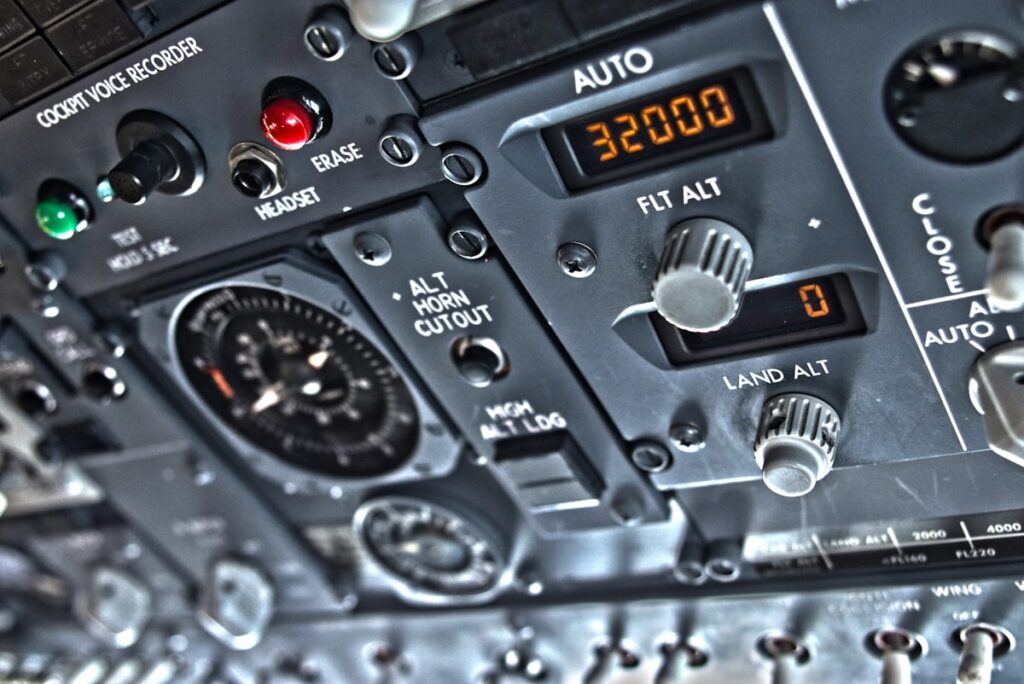
The choice between keeping a traditional steam-gauge panel and upgrading to a glass cockpit display is rarely as simple as newer being automatically better, and owners weighing it should think carefully about what specific problem an upgrade would actually solve rather than upgrading because glass panels look more modern. A well-maintained set of traditional instruments, properly calibrated and regularly serviced, remains entirely legal, safe and functional for the vast majority of private flying.
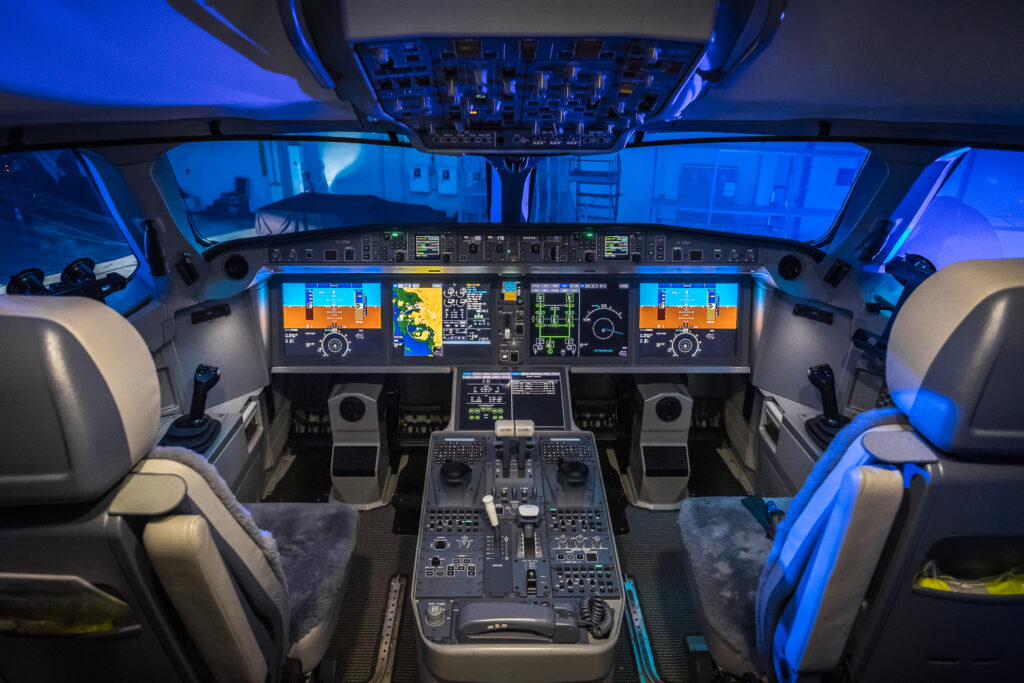
Where glass genuinely earns its cost is in the situational awareness it adds: integrated engine monitoring, moving map displays, and the ability to see multiple data streams at a glance rather than scanning several separate round dials. Pilots who fly regularly in busier airspace or on longer cross-country trips tend to get more day-to-day value from this than pilots doing mostly local circuit and general handling flying.
The other side of the decision is cost and complexity. A full glass retrofit is a substantial investment, and it introduces its own maintenance considerations, software updates, occasional display unit servicing, that a simpler traditional panel doesn’t carry. For an aircraft with a shorter remaining ownership horizon, or one where resale value won’t fully reflect the retrofit cost, a partial upgrade, adding a single high-value instrument rather than replacing the whole panel, is often the more sensible route.
Owners considering the switch are best served by listing specifically what a glass panel would improve for their actual flying, rather than assuming the upgrade is worthwhile in the abstract, and pricing that improvement against the real retrofit cost before committing.
If budget only stretches to one instrument, an engine monitor typically delivers more day-to-day diagnostic value than a full primary flight display replacement. Prioritising the upgrade that changes how you actually fly and maintain the aircraft, rather than the one that changes how the panel looks, tends to be the more satisfying investment over several years of ownership.