Aircraft of the Week: Piper PA-28-180 Cherokee

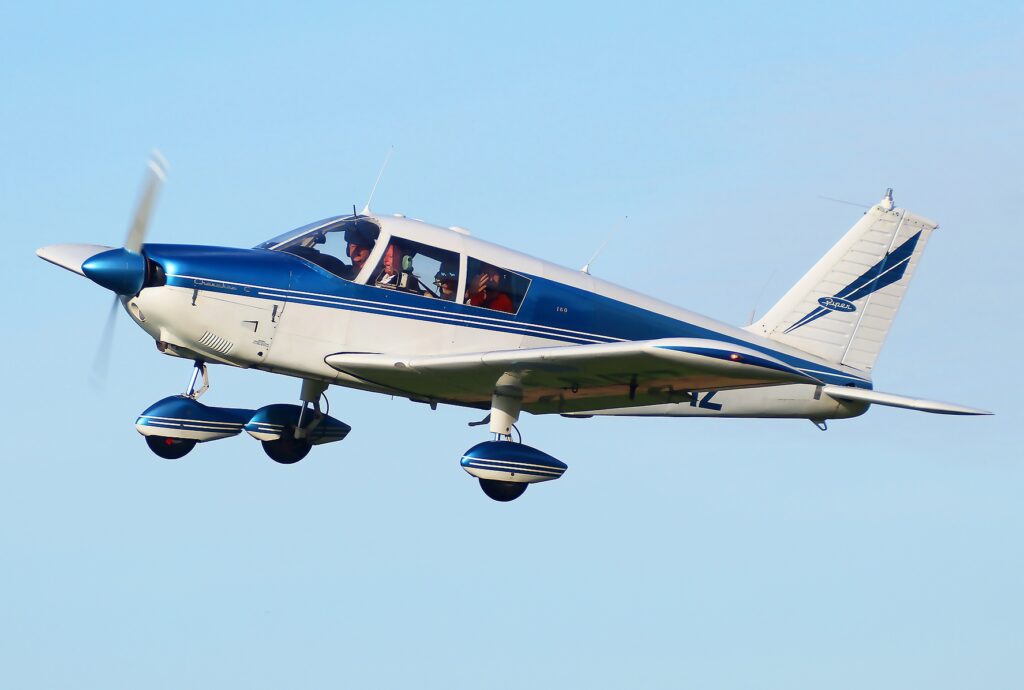
Few light aircraft have proven as consistently popular across generations of pilots as the Piper Cherokee, and the 180-horsepower version in particular sits in a genuine sweet spot between the more basic 140 and the faster, thirstier six-cylinder Cherokees further up the range. Introduced in the early 1960s and built for decades with only incremental changes, the type’s simple, forgiving handling and straightforward systems have made it a mainstay of both flying schools and private ownership ever since.
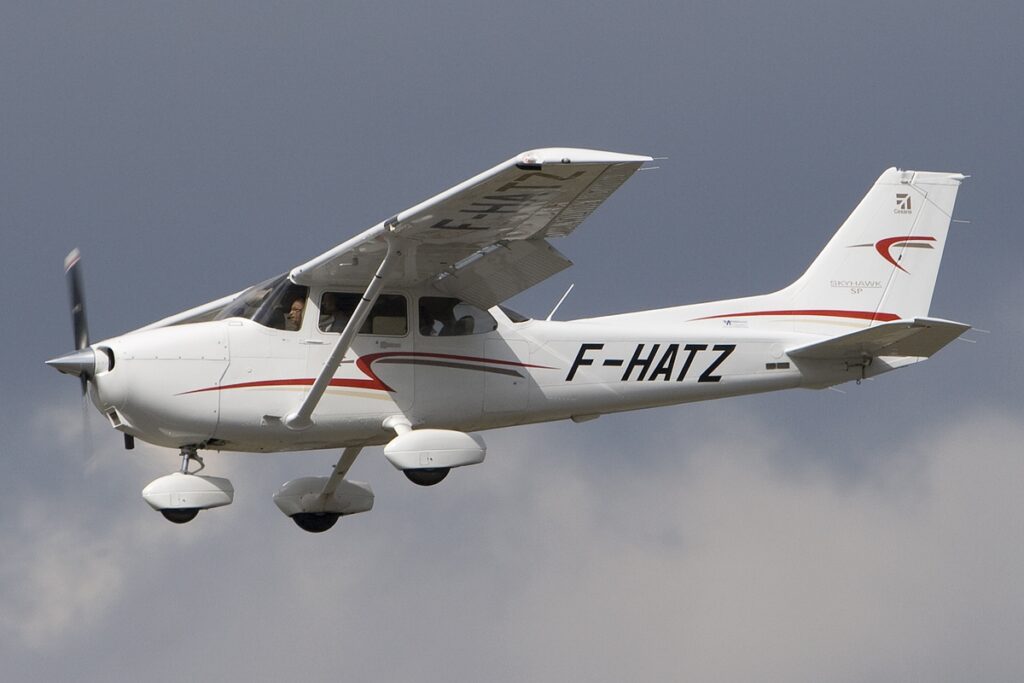
The Cherokee’s low, straight wing gives it handling characteristics that differ noticeably from the higher-wing Cessnas it competed against, generally a touch heavier in roll but with a stable, predictable feel that many pilots come to prefer once they’ve flown both types. Four seats and a reasonable useful load make it a genuinely practical family aircraft for weekend trips, not just a two-up trainer.
On the used market, the 180 sits comfortably in the middle of typical Cherokee pricing, offering meaningfully better cruise speed and useful load than the 140 without stepping up to the running costs of a six-cylinder model. Decades of continuous popularity mean parts availability and maintenance knowledge remain genuinely excellent, a real practical advantage over rarer or more exotic types.
For a buyer wanting a straightforward, well-supported four-seat aircraft without the running costs of something larger, a well-maintained PA-28-180 remains a genuinely sound choice, and the depth of the used market means there’s usually a reasonable selection available at any given time.
Buyers considering a Cherokee should check specifically which control surface and wing spar inspections apply to the individual model year, since these have varied across the type’s long production run. A knowledgeable Cherokee-experienced engineer can confirm exactly what’s applicable to a given serial number in a short conversation before you commit to a prebuy inspection.